Showing posts with label H. Assignment 6: Corporate Videos. Show all posts

Thursday, 20 December 2018

The Requirements of Working to a Brief


The Requirements of Working to a Brief 

Briefs -

Project Brief
A project brief is something the client will give you prior to starting out a project. 
This can be delivered in writing or by meeting.
In both the client needs to provide the key details and what they want the outcome to look like, including details of how long the video needs to be, when they need it by, where the filming needs to be done (in a studio or at a location), background music and if they are including people in it for interviews etc.
Some people may put this into more detail than others. 
Another ways of responding to a brief is by entering a competition. Our first assignment was to create a video for depict. This is a competition where you are given a full brief. From the entries the winner is chosen. 


https://www.depict.org/

In terms of reading a brief we had Julie Woods from the local community group called MESH give our class a brief. She specified that they needed a video that was between 3-5 minutes long to be shown at a yearly meeting full of local mp's and charity workers. 
In terms of direction we were told we needed interviews from some of the people who helped behind the scenes to get the gardening projects underway but also from volunteers who undertook work on the projects to restore gardens and public areas. We had to show what previous projects they have done using photos they provided us with. The rest was left to us to get a video made in under a month. 
Image may contain: text


Tender Brief 
Image result for media tender briefTender brief is where the client will put out a brief and then other companies approach them with a pitch. This means the client will get an assortment of companies each with different ideas and perspectives come to them resulting in the client being able to pick what they think is best suited to the brief that was set. 
In terms of being the company, advantages are if you get chosen to produce the video then you are getting paid and growing your business. Although, disadvantages would be if you are not picked by the client you would have spent a lot of time getting a proposal together whilst not being paid.
* https://www.slideshare.net/leeanne123/brief-14633707 


Informal Brief 
Informal briefs are very different to a formal brief as it means you can work more closely with the client to create something together. You would be more likely to have a face to face meeting which would give a deeper incite into what the final product could look like as well as going over shot types and who would be in it.
Potentially in these situations you would already know the person or what they do and the deadline may not be as strict either meaning the scheduled is more relaxed.

Formal Brief 
Image result for group workThis is where you will have to follow a lot more rules and complete more legal paperwork to comply with regulations. Often you would be given a contract made by the company you are being commissioned by which would state your deadline, pay and your rights/ responsibilities. Having a more strict brief and meetings with the client means you don't have as many opportunities in terms of creative abilities. Compared to an informal brief the creator has a more clear direction of what the client is in need of and you can always approach them to go over new ideas too to insure that this is what they want.

Co-Operative Brief
This means that two or more companies are selected to come together and create a product from a brief that has been set by the client. 

Image result for working with a clientFor this communication is key as you have to work with the other companies that have been chosen which could mean a lot of people to co-ordinate when shooting/editing and doing pre-production work. Although with so many people working on a project you will find many different perspectives and ideas which could even help make the video process quicker. But you would have to bear in mind that not everyone will not agree with every idea suggested meaning you may all have to compromise.   


Negotiated Brief 
Both the client and employer come together to decide on the final project ideas after seeing the brief. It means you can take ideas from both sides to have the end product being creative but also conveying what is in the brief. 
A negotiated brief is different to the co-operative brief because you can change ideas with the client whereas the co-operative brief means you have a set task to already create and you don't have much room for new ideas to come in.

Other ways of responding to a brief
Source -  https://www.slideshare.net/veggieburgers4lyf/different-types-of-brief-16919081
https://collective.lacie.com/contest/view/000000000000002361?r=fb
Briefs can be set by companies as a competition where you can win prizes if you are selected. The example I have linked above gives you a script to work from and then gives creative freedom in terms of how you want to film it. It is then judged by a panel on the bases of the quality of storytelling, sound, creativity, editing and cinematography.


Negotiating a brief - 
When working on the MESH project we had lots of room in terms of being able to negotiate and put ideas in to come up with what would be included. Julie who gave us the brief didn't have many ideas of what she wanted other than it needed to portray the projects that had been completed and show short interviews of people within this who could explain it.

When responding to a brief you may come across some constraints. These constraints are strict and you don't want to push these as it ensures viewers of the content you make are not offended. 
Related imageEthical would come under this and would include discrimination (age and race), privacy and offensive stereotypes. An example I have been aware of is by a British actor called Antonio Aakeel. He has previously been offered big roles in tv shows/films but to play characters like terrorists just because of his appearance. We visited the Norwich film festival and had a session about equalities within the work place. This is where he spoke out on the panel about the discrimination he has faced within his career as an actor.
Legal is also something you have to be aware of because you can get into a lot of trouble with authorities if it is discovered have used copyrighted music or content. 
For the film we made we did use music however got a BenSound license to be able to use their content. Source - https://www.norwichfilmfestival.co.uk/events/2018-events/screen-equalities-diversity-and-inclusion-panel/

Image result for bensound
Opportunities - 
- People respond to briefs to gain work. Most of the time when seeing a brief it would be a freelancer or a growing film company. 

New skills I learnt whilst doing the project was filming of behind the scenes footage and working out the best angles to see what everyone was doing at set points. 
I also learnt how to interview people and direct them we came up with questions and helped the interviewees come up with answers before they responded on camera.
I helped to film as well as edit parts of the clips and aligning sound too.
Personally I enjoyed the role that I undertook as I got to do some interviews with students as well as general shots of others filming. As a group we had lots of ideas which we were able to incorporate but wouldn't have been able to if we had a stricter brief. 
If I had taken a different role for example, interviewing Julie it would have been more challenging as they had to be a lot more prepared only having a few takes. Whereas I interviewed students in college that I have known for two years now.

Wednesday, 5 December 2018

Understanding codes and conventions of corporate and promotional programming

Legal Issues

Privacy
This is when you keep things under wrap


Equipment
 when shooting for a corporate or promotional video you have to use a range of equipment for example:
The equality act was introduced in 2010 to protect people from discrimination in the workplace and general society. However, this was changed very slightly in April 2011 to include positive recruitment and promotion alongside public sector Equality Duty. Although the name doesn't change and remains as the Equality Act 2010.

Copyright is something which is automatically given when you need to legally protect your work as long as it is original and does not imitate work that someone else has already created. The UK it is free to add copyright to your work as there is no register for it.
This can be formed in many ways such as a news company making a false statement about a celebrity or someone of status which could damage their reputation. Nowadays this is something that happens more often due to social media and how quickly messages and stories can be spread around. 
Image result for scarlett johansson full body nice dressLibel
For example in 2014 Scarlet Johansson claimed for defamatory because of a french writer claiming things about her private life which could damage her reputation. She was able to claim €5000 even though she had originally wanted to claim up to £40,000. 

* https://www.theguardian.com/film/2014/jul/04/scarlett-johansson-wins-french-defamation-case


An example within corporate videos is from 2013 when an advert was released from Spec savers with cricketer, Kevin Pietersen. He received a substantial amount of money when he won the case.

https://www.independent.co.uk/sport/cricket/england-cricketer-kevin-pietersen-wins-payout-over-specsavers-advert-that-suggested-he-cheated-hot-8866315.html


Image result for copyright symbol
 It means that nobody else can legally use the content unless they are given permission by the creator or give credit when they use it. Often companies will create a deed. It will acknowledge the rights they can have and for how long. You can also charge a fee for the use of the content too or let them use it for free. 
Another way to ensure your work is copyrighted is if you have it in physical form. If you have an idea in your head for new music or a story it has to be written down. If there is no physical evidence of it existing you can't say somebody stole your idea. 
If you want to make clear that your work is copyrighted you can simply label the work with the C symbol, your name and the year it was created.
Different countries have different rules in regards to how long copyright lasts for. However in the UK and most places it will run out 50 years after the day you die for the majority of written, drama and art work. For photographs this is shorter at approximately 25 years.

https://www.gov.uk/copyright

https://www.bbc.co.uk/copyrightaware/what-is


Equality Act 2010
Image result for equality act 2010Before this act was put in to place it was split into three parts:
- Sex Discrimination Act 1975
- Race Relations Act 1976
- Disability Discrimination Act 1995

When the act was brought in it meant that if you wanted to make an accusation the case will depend on whether the discrimination, harassment or victimization happened before or after October 1st 2010.
Age discrimination is a big part of this and it means no matter your age you should still have the same opportunities. For example, in the media this happens often where people can't play certain parts because of age. In 2015  American actress Maggie Gyllenhaal was denied the role to play the wife of a 55 year old man as she was deemed to old. 
https://www.gov.uk/guidance/equality-act-2010-guidance https://women-s.net/ageism-in-hollywood-examples/


https://www.legislation.gov.uk/ukpga/2010/15/contents

Obscene Publication Acts 1857

OFCOM

When writing a screenplay you have to bare in mind who your target audience is.


Ethical Issues 

As media students we have to consider representation in regards to people, places and events because we have to be sensitive with the material we create. When selecting actors for short films we have to


Antonio Aakeel PictureWe went to a talk at the Forum which was part of the film festival for 2018. It was a panel where they talked about screen equalities and diversity within film and TV. The actor Antonio Aakeel spoke about how he roles he gets offered are often about being an radicalized terrorist even though he has lived in Britain all his life. He states that he wont take the parts because he feels demoralized by being constantly given these parts that he can't relate to but equally could play other parts to a high standard such as being in rom-coms or comedies but due to the color of his skin people won't necessarily think of him playing that part.

https://www.norwichfilmfestival.co.uk/events/2018-events/screen-equalities-diversity-and-inclusion-panel/


GDPR - 
Data protection is now a big issue in the UK and effects every business and charity. The new law became into place on the 25th May 2018. 
https://www.wired.co.uk/article/what-is-gdpr-uk-eu-legislation-compliance-summary-fines-2018

Current Practices

Image result for filming equipment- Camera that will shoot in 720p or 1080p (HD)
any lower quality will effect the overall outcome of the video

- Tripod
For professional looking shots as they will be steady. A fluid head tripod would also mean you can have steady movement when doing pans or tilts.

- SD card
Have a card on which has at least 16gb of storage or have multiple cards for backup

- Microphone
Depending on where the shoot is taking place and whether you are interviewing someone you will need an external microphone. A hot shoe mic is good for outdoor interviews although may pick up more white noise sounds. A tascam is also a good alternative to use for clear sound as long as the mic is close to the person.

Other good products to have are reflectors if you need better more focused lighting on people as well as a backup battery for the camera and tascam.


In regards to pre-production you will need to have a brief from the company/person that is commissioning you to make the video. For example, we recently were commissioned by a group called MESH to make a video which would be shown at an event to around 100 people.
For this we had the head of MESH, Julie come into college to give a talk about what she wanted to have featured and showed us a story board of what had been made in the previous year.
As a client she was very open to suggestions so we almost had a free reign on what we could do. Whereas other clients would potentially be more set and know the vision and what they want the final product to look like.

Before production starts you always need to complete pre-production paperwork.
You will need -

Location Recce - This is so you know the spaces you will be working with and know if you will need extra lighting or different microphones. Also to get a better idea of the shots you want.

Risk assessments - Once a recce has been done you can identify potential risks and know how to avoid them

Shot list - Mainly if it is a longer video with more complex shots. We had a very tight turn around for our video so did not have one.

Location release - Once you have locations you need to have legal permission to be able to use the places at set times.

Talent release - Anybody who appears in the shots will need to have completed a release. Their is two different types one for under 18's and the other for over.

Production Schedule - For any production you need a schedule but especially when working with clients and having them appear for interviews. These need to be discussed and dates set for filming in advance.


Corporate videos use a lot of the same conventions.
For example when interviewing someone the rule of thirds will be used and the person will often be placed on either the left or right side of the third with the background slightly blurred to keep the attention on the main focus which is the interviewee.

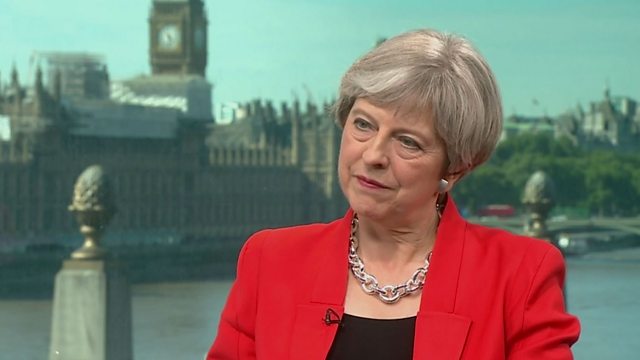
Lighting is also a big part of this to make it look more professional. Here is the setup of an interview on the Andrew Marr show. There are lights above her and we can see this due to the shine on her hair but also a softer light in front to eliminate any shadows. We see her placed towards the right side of the rule of thirds with a blurred background of Parliament. This also helps set the scene.

Image result for tv interview theresa may

Often in corporate videos there are also filler shots. These can be of anything to do with the topic of the video or what's in the surroundings of where you are shooting the video.
In the one we created for the MESH group we included photos of previous projects that had been carried out but also videos of nature and even someone cutting the grass.


Wednesday, 17 October 2018

Research and Planning: Cutting Hedge Community Project

Research 

Sources


Research -


GYBC -

Great Yarmouth Borough Council (GYBC) are the local government district that are responsible for Great Yarmouth and the surrounding area.
They are responsible for a host of different things across the area such as education, transport, planning, fire and public safety, social care, libraries, waste management, trading standards and tourism (this is a huge part due to having lots of seaside towns).
They work closely with residents across these topics to make the Yarmouth area the best it can be within the budget they have. They listen to ideas and some aspects of this include working with community groups that help the local neighbourhoods.

Within the borough they have three neighbourhood offices to help people. This includes Comeunity on Kings Street, MESH in Gorleston and the Make It Happen site which is at the Kings Centre which is also in Great Yarmouth. Each site creates links with residents to help engage them with partnerships like the Norfolk Constabulary, charity and community groups. They believe this helps residents "make strong and vibrant communities".


MESH -


MESH is for the Gorleston residents and a main aim is to ensure local residents learn skills so don't have to be as reliant on the councils services. They run lots of support groups that help cover many everyday situations. The office is open Monday to Friday during the day for anyone to drop in and give suggestions or just to attend the groups. They are also there to be able to give a lot of advice in sectors like benefits, legal, housing, money management, funding, local clubs and training.
Also MESH host events for the community to attend such as family fun days which are free to attend for anyone. Also a youth group is in place which happens weekly at a low cost for 6-12 year olds which helps keep kids off the streets and provides a safe place for them to learn new skills.


Cutting Hedge & Voluntary Norfolk -


Cutting Hedge is a project which was set up within MESH and funded by the peoples health trust. This was after incidences of overgrowing gardens in council house properties from people who had disabilities which meant they were not able to do the garden work that was required. In cases this would mean that they would not meet there council house agreements which could potentially mean they would have to face eviction from that property. Other people didn't have the skills or knowhow on how to keep up a garden. This project included recruitment via social media and word of mouth to get people onto the training courses to learn skills on garden maintenance. Tim Inger from East Coast College then went on to teach the group about plant identification and trained them on how to use the gardening tools. Once training was complete they went into the community homes and helped transform gardens to become useable once again. They also had information in about an alley way which had become unusable due to it being over run by fallen trees and garden waste. The team with their training were able to go along and clear it so it could be used by everyone once again.
From this ongoing project one person has been able to gain a gardening job using skills learnt in the group.

Voluntary Norfolk are a charity organisation who have three main goals that include -
- working with the community to gain skills
- helping the most vulnerable in the community
- enable better employment outcomes for the younger and older generation


East Norfolk Sixth Form College -

Our college got involved in the MESH Cutting Hedge project through Jane Palmer who is the progression and community adviser. Julie from MESH got in touch in regards to a video that they wanted to have made which could be shown at a councillor's yearly event.


Pre Production Paperwork -


Friday, 12 October 2018

Corporate Video Evaluation

Corporate videos


The task was to create a promotion video for Mesh in regards to their Cutting Hedge project.
They needed a video to help people understand how the Cutting Hedge group came together to help the local community within Gorleston keep gardens tidy and well kept as well as clearing an alley way which was over run with fallen trees and garden waste.
This video was then shown at a yearly event in Great Yarmouth which around 40 local councilors and members of charities that make a difference to the area attended. We were invited to watch the screening of our completed MESH video which is linked above. 

My role in the making of this video was to work with two other class members to obtain behind the scenes footage of the filming and also interviews with other groups in the class who helped to make the video. For this we went to the MESH site and filmed the others setting up cameras and then also filming our other classmates interviewing people who explained more about the Cutting Hedge project.

In addition to this when back in College we interviewed classmates asked the following questions :
> How are you helping to create the video
> What are you taking out of it?
> How have you found working with a client?
> Do you feel more confident with working in a team?

With all the people that we interviewed we had to complete adult and child release forms to make sure we had all the correct permissions. These are two shots below from the student interviews we filmed at College.

For me the most enjoyable aspect of making this video has been to work with together with classmates. I liked doing the behind the scenes part and taking a step back from doing the main interviews as it is something I haven't done before however, we were still able to do smaller interviews and find out what other people thought of the MESH production.
Also the editing side of the video meant we could play around with different ways of presenting the final outcome. Unlike a story when it all has to be in a set order we could put different questions all together or keep them separate and it still made sense.

For me the most challenging part of the video was the college interviews as the first ones we did had to be re-filmed due to the sound quality and also the clutter in the background didn't suit the look we wanted. When we re-shot we made sure we filmed with a white background and had a reflector to make sure everything was as clear as possible.
If we did this again something I would change is getting more behind the scenes shots of people filming the interviews. We got some from afar but not close. I think this would had added more interest into the video and shown more of our camera skills.
This project has helped me with personal development in terms of learning more about sound and how to get it to be crisp and not have strong white noise. That also included then syncing up the sound to the footage and when you have lots of short clips we found it difficult.
From this project I have learnt how to work with smaller groups as I usually work with more than two other people. However, it was good to be able to split roles and work on things we aren't as strong on but still have help from the others in the group if we needed it.